How Teleradiology Supports Overnight and Weekend Radiology Coverage
After-hours imaging does not slow down when the reading room empties. Here is how remote reporting helps hospitals keep coverage consistent overnight and at weekends.
1 min read
Emergency departments, inpatient units, and trauma teams generate imaging around the clock. For many hospitals the challenge is not the daytime workload but keeping the same reporting standard at 2 a.m. on a Sunday.
The after-hours coverage gap
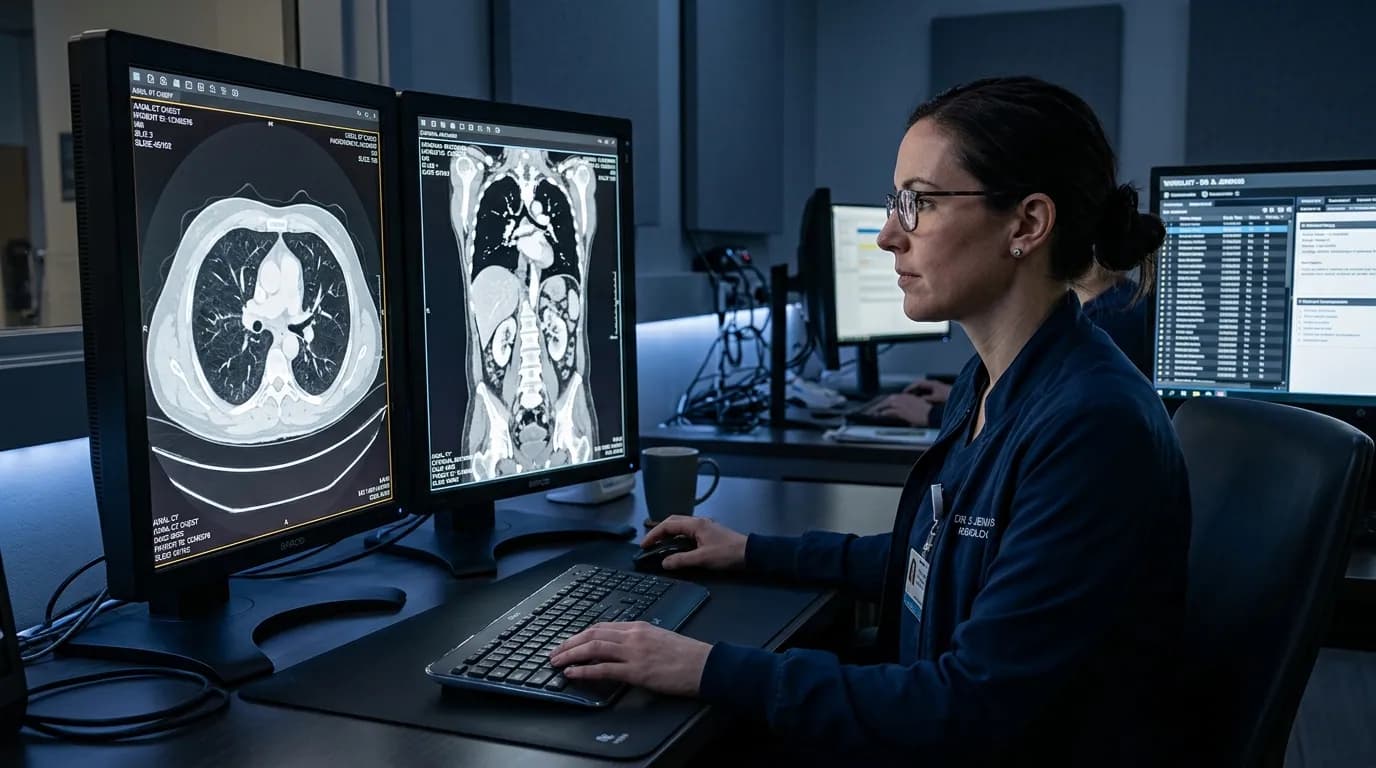
In-house radiologists cannot be on site every hour of every day without burning out. Relying on on-call rotations alone can stretch turnaround times and put pressure on the morning team, who inherit whatever was not read overnight.
- Emergency and inpatient studies continue to arrive overnight
- On-call fatigue affects both staff wellbeing and consistency
- Unread overnight studies become the next morning's backlog
How remote reporting fills the gap
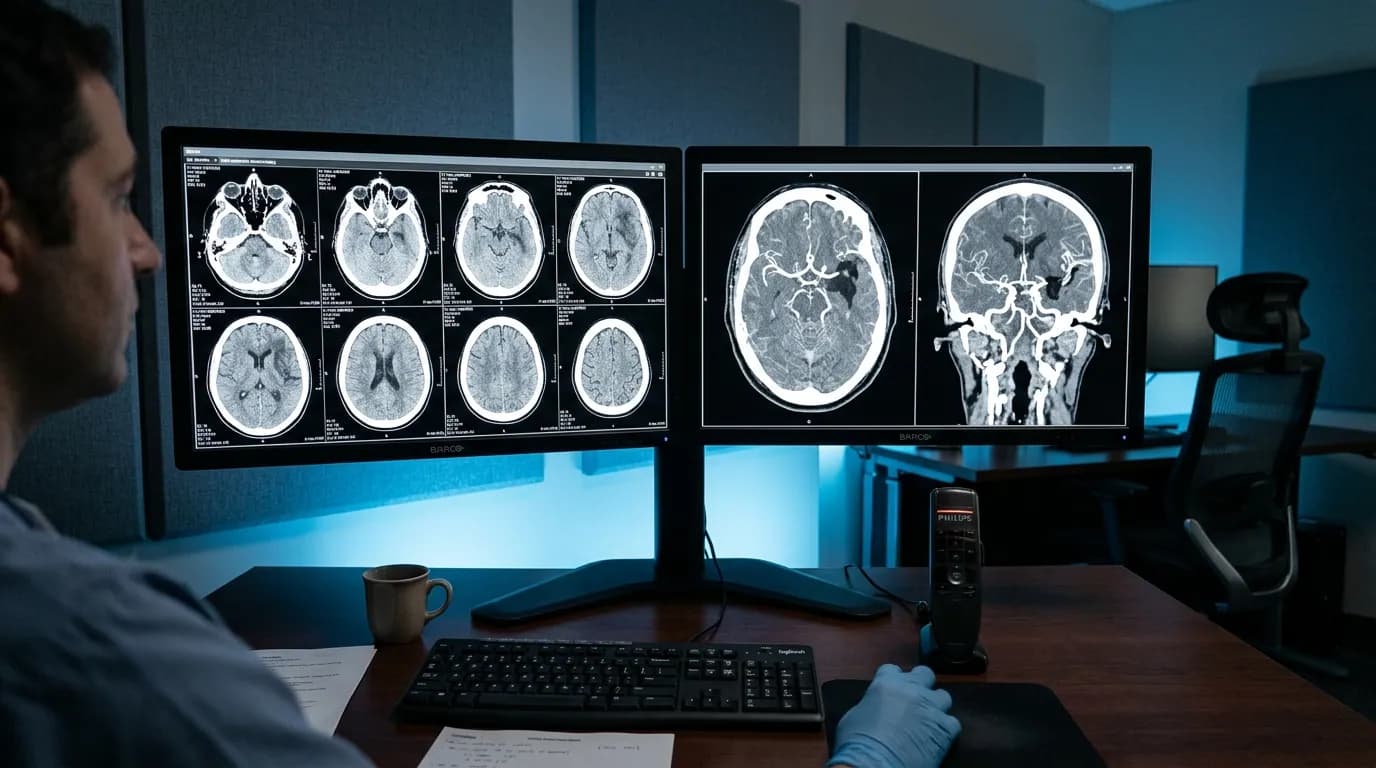
A teleradiology partner reads studies from outside the hospital, using secure access to the imaging and reporting systems already in place. Coverage can be scheduled for nights only, weekends only, holidays, or any mix that matches the hospital's staffing plan.
Making the morning handoff smooth
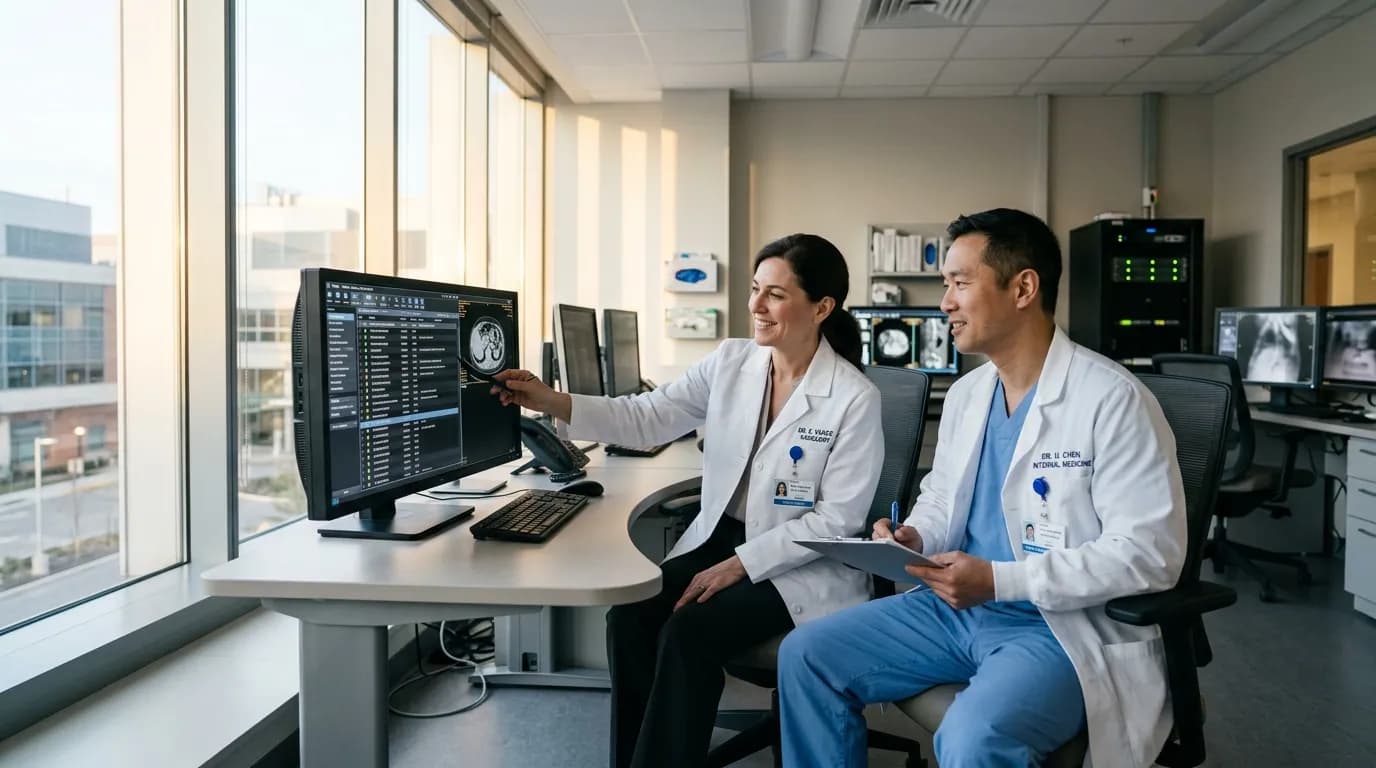
Good after-hours coverage ends with a clear handoff: what was read, what was escalated, and anything that needs follow-up. Agreeing this format up front keeps the day team from repeating work.
The best overnight coverage is the kind the morning team barely notices, because nothing is waiting for them.
Questions to settle before you start
- 1Which modalities and study types are in scope after hours?
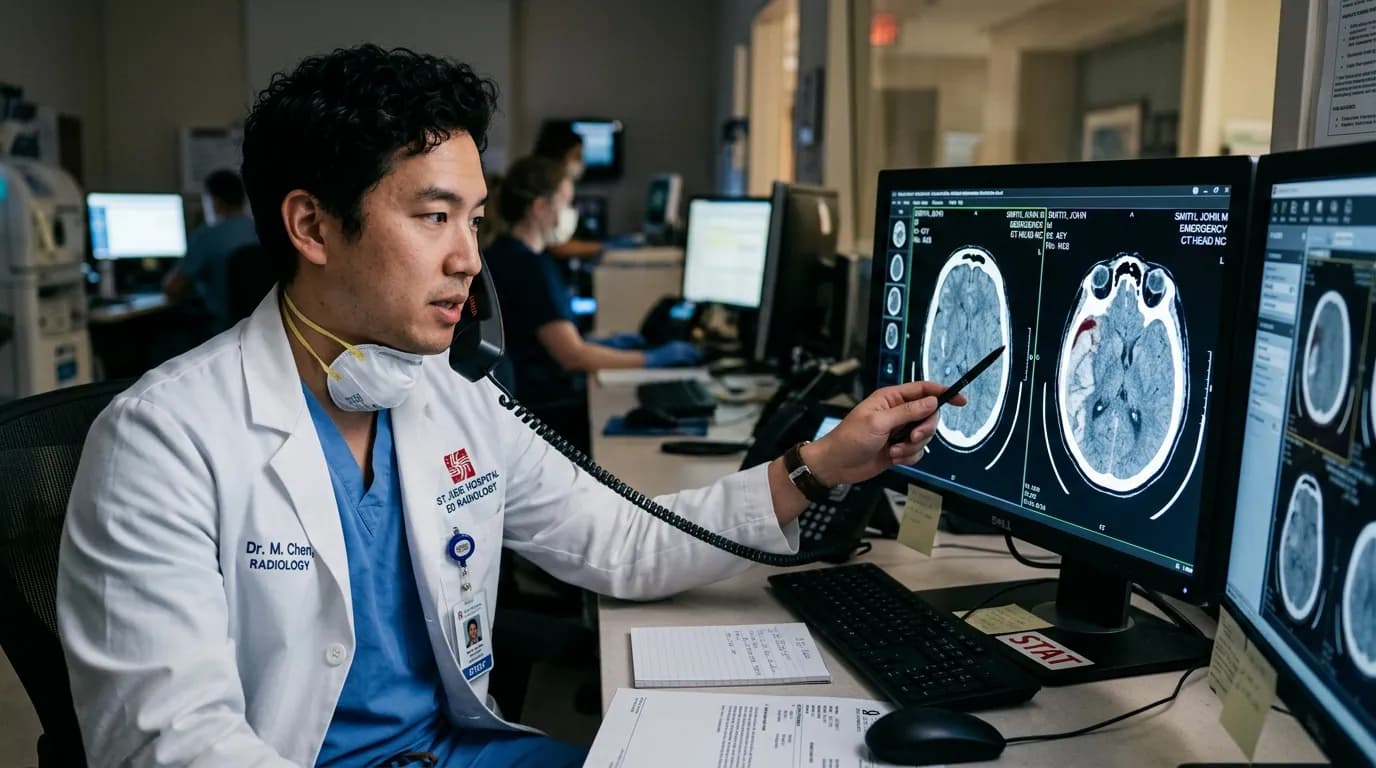
- 2What turnaround expectations apply to STAT versus routine studies?
- 3Who is contacted for critical findings, and how?
- 4How are preliminary and final reports handled?